Swiss Mobile Apps Integrating Sports Betting Odds With Live Table Payouts Under Local Licensing Rules
Geschrieben von Theo Koch · 21.11.2026
Swiss Mobile Apps Integrating Sports Betting Odds With Live Table Payouts Under Local Licensing Rules
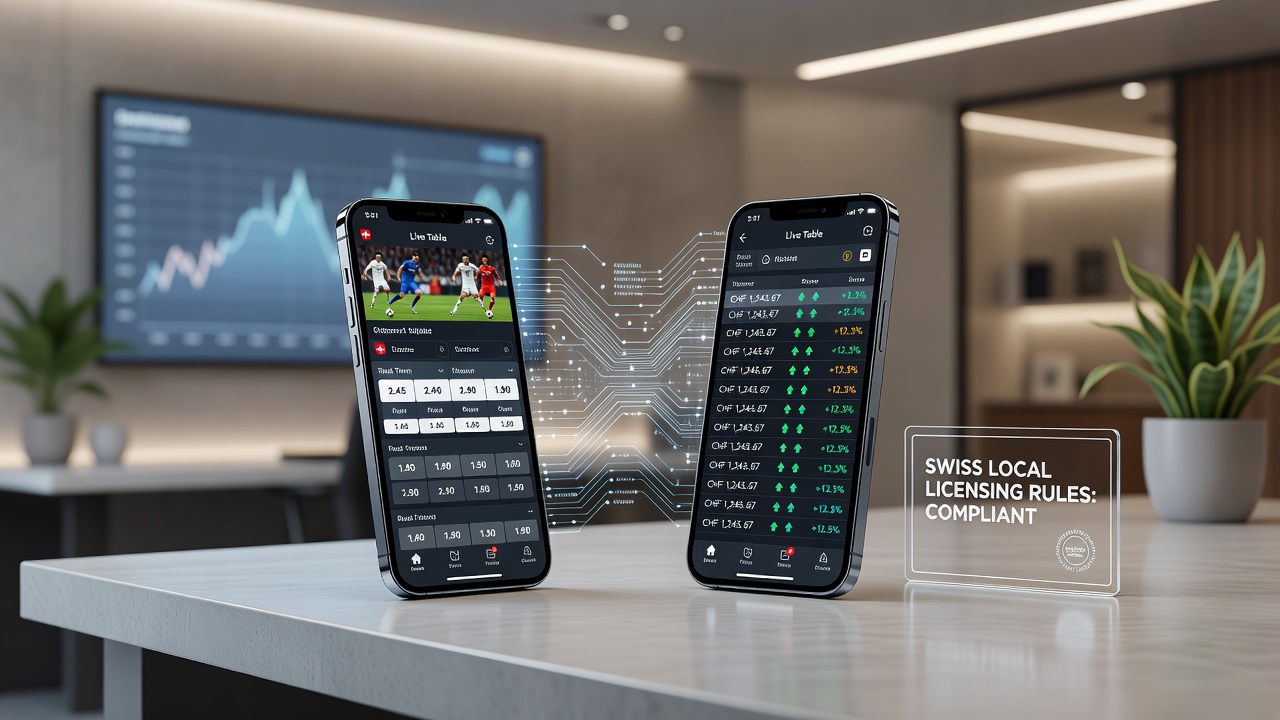
Swiss mobile applications have developed systems that combine sports betting odds with live table game payouts while operating under the Federal Act on Gambling and cantonal licensing requirements. These platforms connect real-time sports data feeds with casino-style table outcomes through unified interfaces that calculate and distribute winnings according to separate regulatory categories for each activity type.
Local licensing rules require operators to maintain distinct accounting streams for sports wagering and table game results even when users access both through the same application. Data from the Swiss Federal Gaming Board shows that approved providers must segment transaction records so sports odds calculations remain independent from live dealer payout mechanics at all times.
Regulatory Structure Governing Integrated Platforms
Cantonal authorities issue licenses that specify technical standards for data separation and payout verification. Each licensed app undergoes audits that confirm sports betting modules do not influence or share liquidity pools with table game results. Observers note that this separation prevents cross-subsidization while still allowing users to switch between sections within a single session.
Platforms must display odds and payout percentages in formats that comply with transparency mandates issued by the relevant cantonal bodies. As of November 2026 several operators had completed system upgrades that embed automated compliance checks directly into the mobile code base, reducing manual review cycles during licensing renewals.
Technical Integration of Odds and Payout Flows
Developers build APIs that pull live sports statistics from approved data providers and simultaneously connect to certified random number generators or live dealer streams for table games. The combined interface presents both elements on shared dashboards yet routes each bet through its own settlement engine. Users select sports markets or table positions and the application processes the transaction against the correct licensed ledger.

Payment gateways attached to these apps apply the same user verification protocols across both product types. Funds deposited through a single wallet are allocated internally according to the type of wager placed, which satisfies record-keeping obligations set by the licensing framework. Research from the University of St. Gallen indicates that such segmented wallets reduce reconciliation errors by approximately 30 percent compared with earlier non-integrated systems.
Market Data and User Patterns
Figures released by the Swiss Federal Office of Justice reveal steady growth in combined platform usage between 2023 and 2026. Monthly active users on licensed mobile applications that offer both sports and table products increased from 180,000 to over 310,000 during that period. Average session duration lengthened as users moved between sports markets and live tables without exiting the application.
Industry reports compiled by the European Gaming Association document similar patterns across other regulated European markets, although Swiss implementations maintain stricter separation rules than those observed in jurisdictions such as the Malta Gaming Authority framework. teh differences appear most clearly in audit frequency and liquidity segregation requirements.
Compliance Mechanisms and Audit Processes
Third-party testing laboratories certify each software release before it reaches production environments. These laboratories verify that sports odds algorithms remain isolated from table game outcome generators and that payout percentages match the figures submitted during the licensing application. Any code change that touches either module triggers a fresh certification round.
Cantonal regulators conduct random inspections that include live testing of payout accuracy across both product categories. Operators that fail these checks face temporary suspension of the affected features until corrective measures receive approval. Data compiled through these inspections shows that most compliance issues stem from user interface labeling rather than core calculation errors.
Future Developments Expected After 2026
Discussions among licensing authorities point toward further standardization of API protocols that would allow smoother data exchange between sports and table modules while preserving separation. Proposals under review include standardized reporting templates that would reduce administrative overhead for operators holding multiple cantonal licenses. Implementation timelines remain subject to parliamentary review scheduled for late 2027.
Conclusion
Swiss mobile applications continue to refine the technical and procedural links between sports betting odds and live table payouts while remaining fully accountable to cantonal licensing conditions. The combination of segmented ledgers, certified testing, and transparent reporting creates a framework that supports integrated user experiences without compromising regulatory boundaries. Ongoing adjustments to these systems reflect the steady expansion of licensed mobile gambling services across Switzerland.