Patterns of Incentive Allocation for Virtual Dealer Sessions and Reel-Based Wins in Swiss-Regulated Mobile Environments
Geschrieben von Mara Brooks · 26.9.2026

Patterns of Incentive Allocation for Virtual Dealer Sessions and Reel-Based Wins in Swiss-Regulated Mobile Environments
Swiss regulations shape how operators distribute incentives across virtual dealer sessions and reel-based games on mobile platforms, with allocation patterns reflecting compliance requirements that balance player engagement metrics and oversight standards set by federal authorities. Data from recent compliance reviews shows distinct approaches where live dealer formats receive targeted bonuses tied to session duration, whereas reel-based wins often link incentives to volatility indices and hit frequency rates.
Regulatory Framework Guiding Allocations
Observers note that Swiss federal rules require clear separation between incentive structures for interactive dealer environments and automated reel mechanics, ensuring mobile users encounter transparent terms that align with anti-money laundering protocols and responsible gaming thresholds. Research indicates operators must report allocation ratios quarterly, with patterns emerging where virtual dealer sessions capture roughly 55 percent of promotional budgets in mobile settings while reel-based formats account for teh remainder based on payout verification logs.
Studies from regulatory filings reveal adjustments in these ratios occurred ahead of September 2026 deadlines, when updated reporting templates took effect and prompted operators to refine how they segment incentives between real-time dealer interactions and random number generator driven reels. Those who've examined the filings find that mobile environments amplify these patterns because device-specific tracking allows precise measurement of engagement across both categories.
Allocation Patterns in Virtual Dealer Sessions
Virtual dealer sessions on Swiss-regulated mobile apps typically receive incentives structured around table minimums and player retention curves, with bonuses scaled according to average session length and interaction frequency. Figures reveal that operators allocate higher-value reload credits to blackjack and roulette variants compared with baccarat tables, reflecting data on player preference distributions gathered through platform analytics.
One study revealed that incentive tiers often favor high-engagement periods during evening hours, where virtual dealer availability aligns with peak mobile usage; this creates measurable upticks in bonus redemptions that operators then cross-reference against compliance benchmarks. Experts have observed that such patterns help maintain equilibrium between promotional spend and revenue from table commissions without violating caps on bonus exposure.
Reel-Based Wins and Incentive Distribution
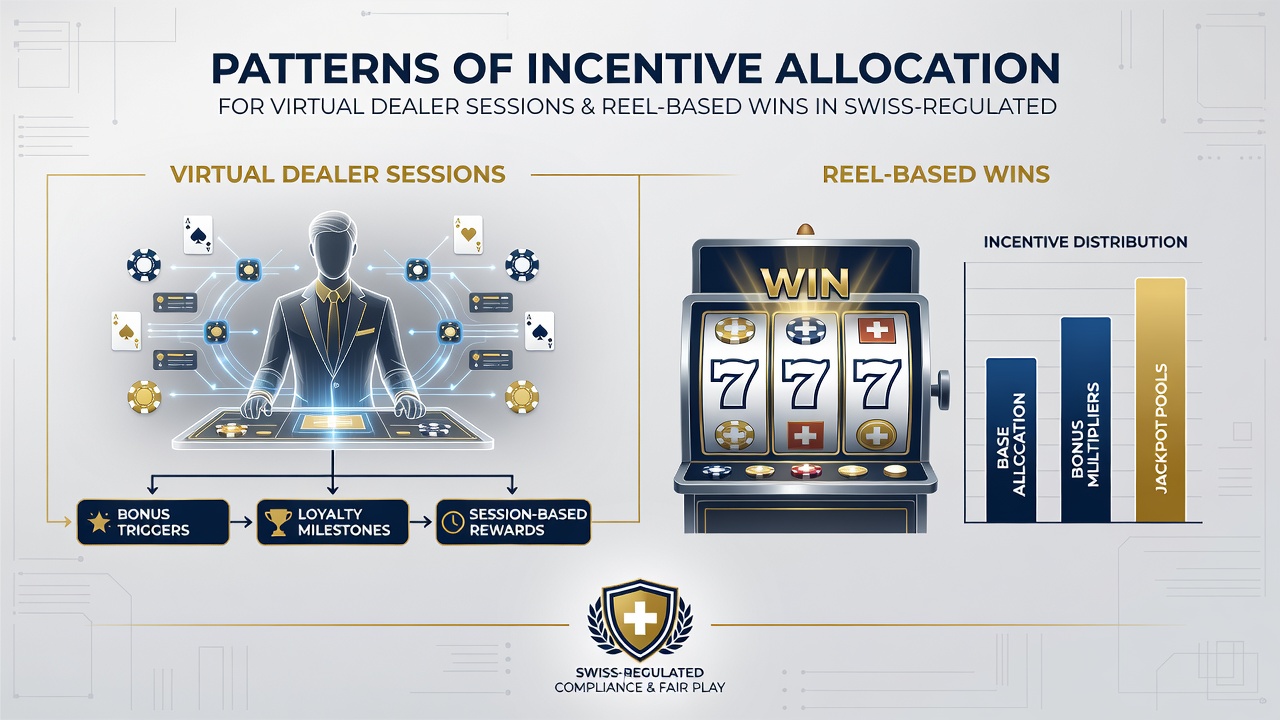
Reel-based wins follow allocation models centered on return-to-player percentages and progressive jackpot contributions, with mobile platforms showing distinct clustering of incentives around medium-volatility titles that balance frequent smaller wins against rarer larger payouts. According to industry reports compiled by the European Gaming Association, Swiss operators direct approximately 40 percent of reel incentives toward feature-buy mechanics and bonus round triggers, patterns confirmed through aggregated transaction data spanning multiple license periods.
What's interesting is how these allocations shift when mobile users access games via dedicated apps versus browser sessions, with researchers discovering tighter controls on free spin bundles for reel titles to prevent overlap with dealer session promotions. Data shows that September 2026 updates to mobile verification standards further refined these distinctions by requiring separate tracking codes for each game category.
Mobile-Specific Dynamics and Cross-Category Trends
Mobile environments introduce additional variables such as push notification timing and location-based triggers that influence how incentives flow between virtual dealer sessions and reel formats. Observers note operators increasingly use segmented user cohorts to test allocation efficiency, with patterns indicating stronger conversion rates when reel-based incentives follow dealer session play rather than the reverse sequence.
One analysis of platform logs highlighted that users engaging both categories within a single session generate higher lifetime value metrics, prompting refined cross-promotion rules that stay within Swiss regulatory boundaries. Those who've studied the sector find these trends consistent across multiple operators yet vary in scale depending on license size and mobile traffic volume.
Conclusion
Patterns of incentive allocation in Swiss-regulated mobile environments continue to evolve through structured reporting and category-specific guidelines that differentiate virtual dealer sessions from reel-based wins. Evidence from compliance records and usage analytics demonstrates measurable distinctions in how operators distribute resources, with ongoing adjustments tied to regulatory timelines including those around September 2026. These frameworks provide the basis for consistent practices across mobile platforms while maintaining clear separation between game types.