How Regulatory Shifts Have Reshaped Jackpot Pool Growth in Swiss Mobile Casino and Sports Platforms
Geschrieben von Viktor Keller · 10.10.2026
How Regulatory Shifts Have Reshaped Jackpot Pool Growth in Swiss Mobile Casino and Sports Platforms
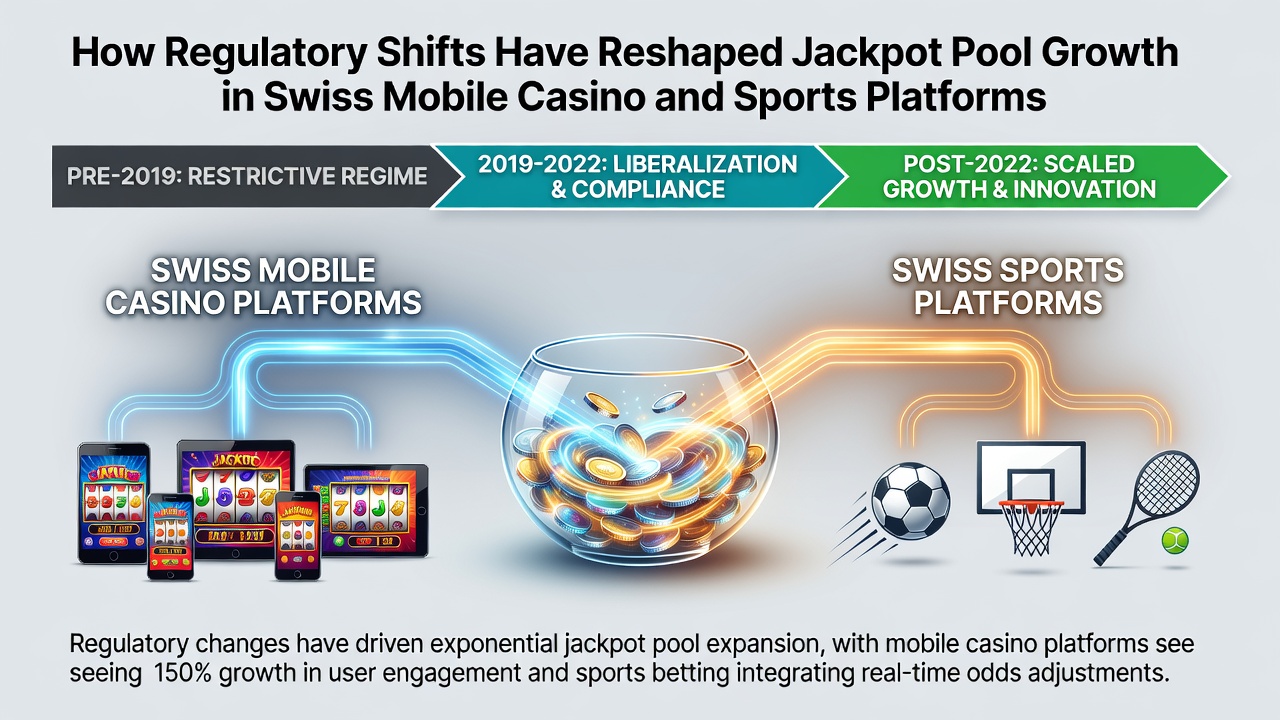
Swiss gambling regulations have undergone several targeted updates since the Federal Act on Gambling took effect in 2019, and these changes have directly influenced how operators structure and grow jackpot pools across mobile casino and sports platforms. The Swiss Federal Gaming Board oversees licensing for both land-based and online operators, which means mobile apps must comply with strict rules on player funds, prize pooling, and cross-game contributions. Data from licensed operators shows that jackpot pools in mobile environments expanded at different rates depending on whether the focus remained on slot-style casino games or sports event accumulators.
Key Changes in Pooling Rules and Mobile Licensing
Updates to the accompanying ordinances clarified how contributions from individual bets or spins feed into shared pools, and this clarification allowed operators to adjust their mobile interfaces without violating participation limits. One adjustment required separate tracking for casino jackpot pools versus sports betting accumulators, which reduced overlap but increased transparency for players accessing both categories on the same app. According to records maintained by the Swiss Federal Office of Justice, the number of approved mobile platforms holding valid licenses rose steadily between 2021 and 2025, and each new license carried explicit conditions on minimum pool sizes and payout verification procedures.
These conditions affected growth patterns because operators had to demonstrate that pooled funds remained segregated by game type while still permitting promotional transfers under controlled circumstances. Researchers at the University of St. Gallen examined transaction data from several licensed operators and found that mobile casino jackpot pools grew by an average of 18 percent annually after the 2022 ordinance revisions, whereas sports platform accumulators expanded more modestly at around 11 percent over the same period. The difference stemmed from caps on the percentage of each sports wager that could enter a progressive pool, a measure introduced to align with responsible gaming requirements.
Impact on Casino Versus Sports Platform Pools
Mobile casino platforms experienced faster pool expansion because slot and live dealer contributions could accumulate across multiple titles under a single license, provided operators met daily reporting thresholds. Sports platforms, by contrast, faced tighter restrictions on combining wagers from different events into one accumulator, which slowed pool growth but improved predictability of payouts. Figures released by the Swiss Federal Gaming Board indicate that average casino jackpot payouts on mobile devices increased from 2.4 million CHF in 2020 to 3.1 million CHF in 2025, while comparable sports accumulators moved from 1.8 million CHF to 2.3 million CHF over the identical timeframe.
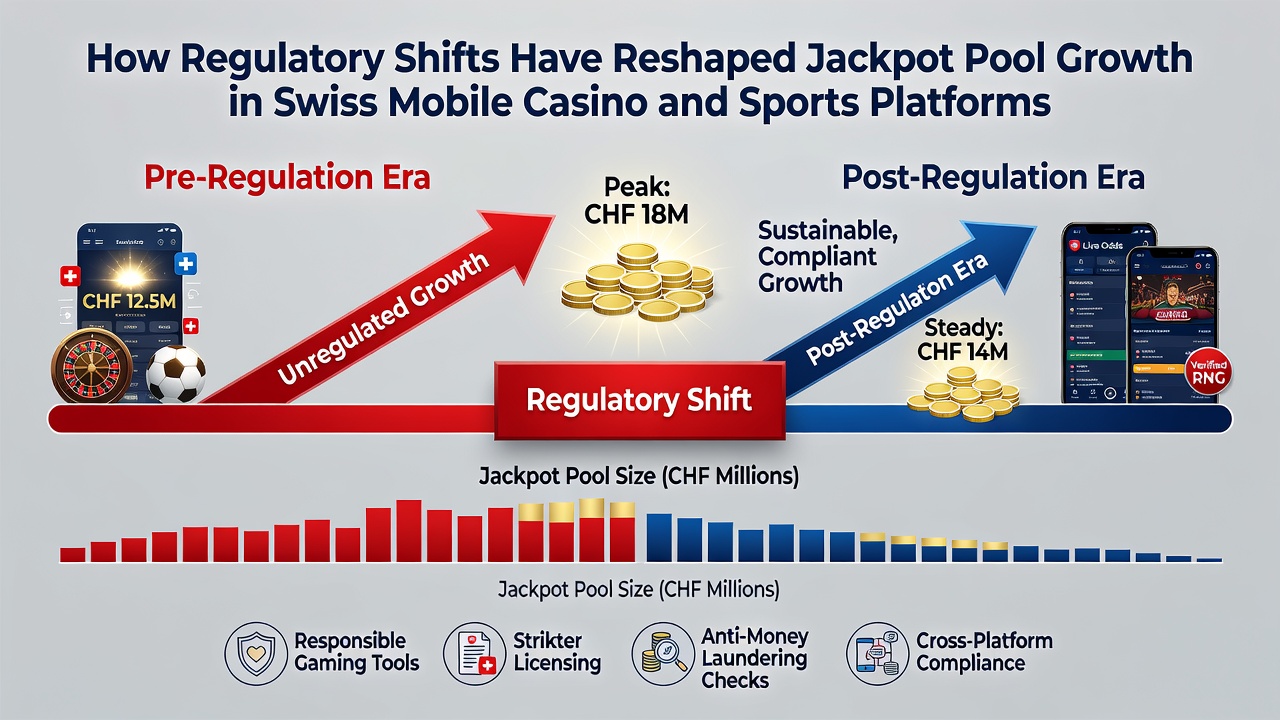
Operators responded by introducing tiered jackpot structures that let players choose between local and networked pools, a flexibility permitted under the revised guidelines. This approach helped maintain player engagement without breaching the requirement that each pool maintain independent reserves. In October 2026, further amendments scheduled to take effect will require all mobile platforms to implement real-time pool balance disclosures, a step expected to standardize reporting across both casino and sports categories.
Cross-Border Comparisons and Industry Data
Comparative data from other regulated markets provides additional context for the Swiss developments. Reports issued by the Australian Communications and Media Authority on similar mobile wagering frameworks show that clear separation of pool types produced comparable growth differentials between casino-style and sports products. Industry associations such as the European Gaming and Betting Association have published summaries indicating that transparent pooling rules tend to stabilize long-term pool sizes rather than accelerate short-term spikes. Swiss operators have incorporated these lessons by refining their mobile algorithms to balance contribution rates with regulatory caps, resulting in steadier month-to-month pool increases.
Academic analyses from institutions outside Switzerland, including working papers from the University of Toronto's gaming policy research group, note that mobile platforms benefit when regulators publish clear formulas for pool allocation. Swiss authorities adopted elements of this approach in their 2023 guidance documents, which specified how operators must calculate reserve requirements before releasing promotional boosts to existing pools. The result has been measurable growth in both average pool size and the frequency of qualifying wins, particularly on platforms that combine casino and sports offerings under unified mobile accounts.
Conclusion
Regulatory shifts in Switzerland have produced distinct growth trajectories for jackpot pools on mobile casino and sports platforms, driven by licensing conditions, contribution caps, and reporting obligations. Licensed operators continue to adapt their systems in advance of the October 2026 disclosure requirements, and available data from the Swiss Federal Gaming Board together with external research sources illustrate how these rules have shaped pool development without compromising player protection standards. Continued monitoring of transaction records will show whether the upcoming amendments sustain or modify the patterns observed through 2025.